Primitive Reflexes in Children: What They Are and Why They Matter
What are primitive (early) reflexes?
“Primitive” reflexes are automatic movement patterns present at birth that help infants survive, feed, and begin early development. These reflexes are expected to gradually integrate as the nervous system matures, allowing for more controlled, intentional movement. (Primitive means early in development in this occupational therapy context.)
When primitive reflexes integrate appropriately, they support smooth motor development, coordination, attention, and regulation.
However, when reflexes remain active beyond the expected age range, they are often referred to as retained primitive reflexes and may impact functional skills.
Why retained reflexes matter
Retained primitive reflexes may contribute to challenges in:
- Motor coordination and balance
- Attention and focus during school tasks
- Emotional and sensory regulation
- Sleep and daily routines
- Body awareness and posture
- Behavioral problems
- Interoceptive awareness
- Bedwetting
In addition, these patterns can show up in children as difficulties with classroom participation, handwriting, sitting endurance, or self-regulation. As we see in our occupational therapy clinic here in Lexington, Kentucky when clients are regulated, everything including behavior is better.
Occupational therapy and reflex integration
Occupational therapists are trained to assess how retained reflexes may be impacting function. OT intervention focuses on the whole child—not just isolated movement patterns.
This may include:
- Movement-based activities
- Sensory regulation strategies
- Environmental modifications
- Functional skill building for daily life
Occupational therapy improves participation in everyday routines at home, school, and in the community.
Learn more about specific reflex patterns
To go deeper into how specific reflexes impact function, explore:
👉 Spinal Galant Reflex: Symptoms and Impact on Daily Life
👉 How Occupational Therapy Helps Integrate Reflexes
Key takeaway
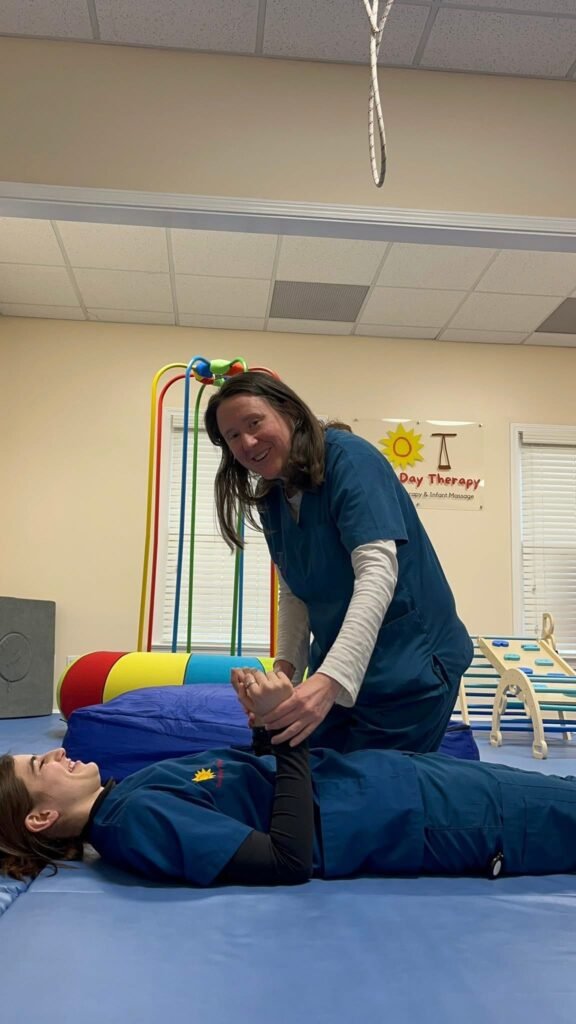
Reflexes are a normal part of early development, but when they remain active, they may influence behavior, coordination, and daily functioning. Occupational therapy helps identify these patterns and supports functional, meaningful change. Sunny Day Therapy’s occupational therapy doctors utilize specific exercises to help reflexes integrate more quickly into fluid motor movement patterns. Reflex integration impacts regulation. When clients are regulated, they are more likely to make progress towards their functional goals more quickly. Our OT Doctors know both passive and active movement patterns to enhance neuroplasticity (connections in your brain) and sensory motor pathways to your body. Thus, this promotes whole body strength and regulation of behaviors.