Feeding is much more than getting calories. Eating is one of childhood’s most important daily occupations. It supports physical growth, brain development, emotional regulation, learning, family relationships, and participation in everyday life.
When mealtimes become stressful because of picky eating, food refusal, sensory sensitivities, anxiety, oral motor challenges, or developmental delays, occupational therapy can help children build the confidence and skills needed to become successful eaters. Through food exploration and targeted meal time activities, children can learn to become more regulated and try new foods during mealtime.
At Sunny Day Therapy in Lexington, Kentucky, our OT Doctors help infants, toddlers, children, teens, and their families discover enjoyable, low-pressure ways to explore food while developing lifelong feeding skills. Every child deserves to feel successful, confident, and SAFE at the table.
➡ Learn more about all of our pediatric occupational therapy services: https://sunnydaytherapy.net/services/
Meet Your Feeding Therapist
Kimberly Day, OTD, MS, BCP, PMH-C, CPRCS, CIMI-2, PCES, ECHM is a Board Certified Pediatric Occupational Therapist and owner of Sunny Day Therapy in Lexington, Kentucky. Dr. Day specializes in pediatric feeding therapy, sensory integration, executive functioning, infant development, maternal health, sensory motor reflex movement patterns, and child development. Dr. Day has earned Board Certification in Pediatrics by the American Occupational Therapy Association- a distinction held by less than 1 percent of occupational therapists.
Families throughout Lexington, Hamburg, Nicholasville, Georgetown, Richmond, Versailles, Winchester, Frankfort, and Central Kentucky choose Sunny Day Therapy because every evaluation is individualized. Rather than focusing only on the food itself, Dr. Day and her team look at the whole child—their sensory processing, nervous system, motor skills, emotions, routines, family environment, and strengths.
➡ Meet Dr. Kimberly Day and her team: https://sunnydaytherapy.net/about/
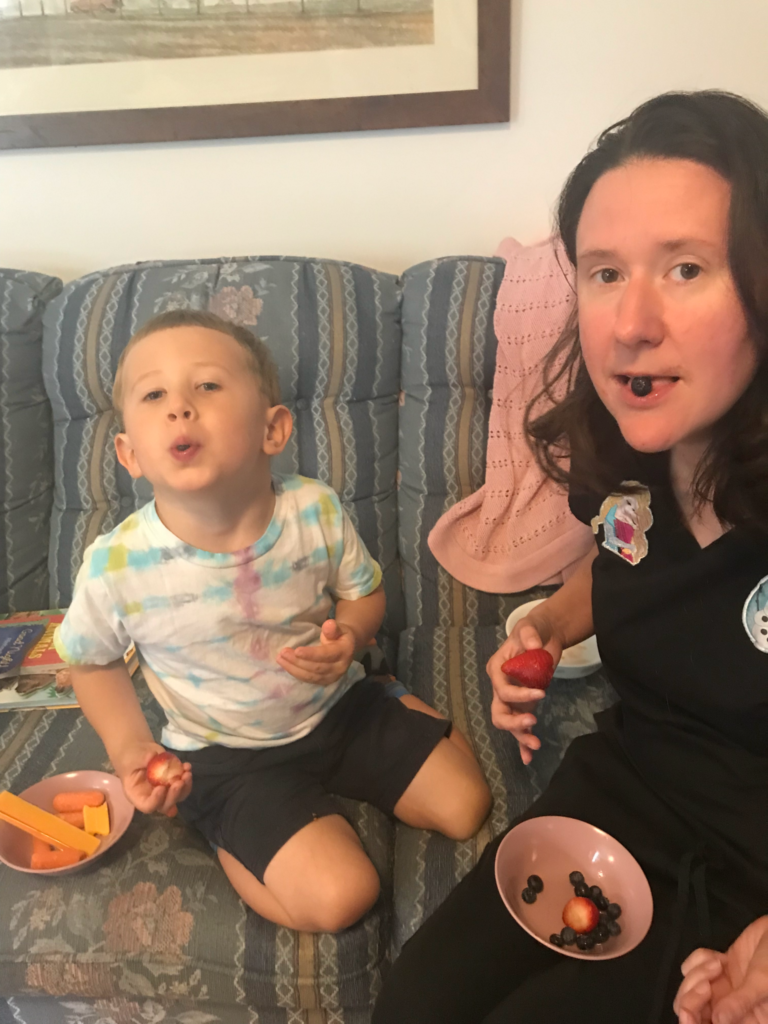
Dr. Kimberly Day working with a child during feeding therapy. (This is her own son practicing play-based activities with her before a session!)
What Is Pediatric Feeding Therapy?
Feeding therapy helps children who struggle with eating because of sensory, motor, developmental, behavioral, or medical factors. While many people think feeding therapy is simply encouraging children to eat more foods, pediatric occupational therapy looks much deeper.
At Sunny Day Therapy, feeding evaluations examine how multiple systems work together during eating, including:
- Sensory processing
- Oral motor development
- Body awareness
- Postural control
- Fine motor skills
- Self-regulation
- Executive functioning
- Interoception (recognizing hunger and fullness)
- Anxiety
- Environmental influences
- Family routines
- Play skills
- Developmental milestones
Every child has a unique feeding profile. Understanding that profile allows therapy to target the root causes rather than simply addressing the behavior.
Why Do Children Become Picky Eaters?
At Sunny Day Therapy, we emphasize regulation and connecting with clients! When clients have heightened nervous systems such as the fight-or-flight response, it may be hard to even get in the right energy state to eat. We help you calm your child so they can focus better and help you set up environments for feeding. Many children labeled as “picky eaters” actually have underlying challenges that make eating difficult.
Common contributing factors include:
- Sensory processing differences
- Autism
- ADHD
- Anxiety
- ARFID (Avoidant/Restrictive Food Intake Disorder)
- Oral motor delays
- Low muscle tone
- Motor reflex patterns
- Coordination, symmetry, and posture
- Gastrointestinal concerns
- Past negative feeding experiences
- Difficulty recognizing hunger and fullness
- Developmental delays
Our occupational therapy doctors are uniquely trained to understand how these factors interact. Instead of asking, “Why won’t my child eat?” we ask, “What is making eating difficult for this child?” As occupational therapists, we also look at what brings your child joy; by looking at the whole child, we help you set up routines for trying new food and enjoying meal time.
Feeding Is More Than Food
Feeding and eating are occupations that are fundamental to health, participation, and quality of life (Christiansen & Hammecker, 2001). Successful eating requires the brain and body to work together.
At Sunny Day Therapy, therapy often begins by helping children feel physically and emotionally safe before expecting them to try new foods.
Children learn best when they are calm, curious, and engaged—not pressured.
Sensory Feeding Therapy: Helping Food Feel SAFE
Many children experience foods much differently than adults.
A strawberry may feel slimy.
Mashed potatoes may feel unpredictable.
The smell of eggs may feel overwhelming.
Crunchy foods may sound painfully loud.
Instead of forcing bites, sensory feeding therapy creates positive experiences through movement, play, exploration, and gradual exposure. Our structured systems and wellness plans support your whole family.
When children begin feeling safe, curiosity naturally grows.
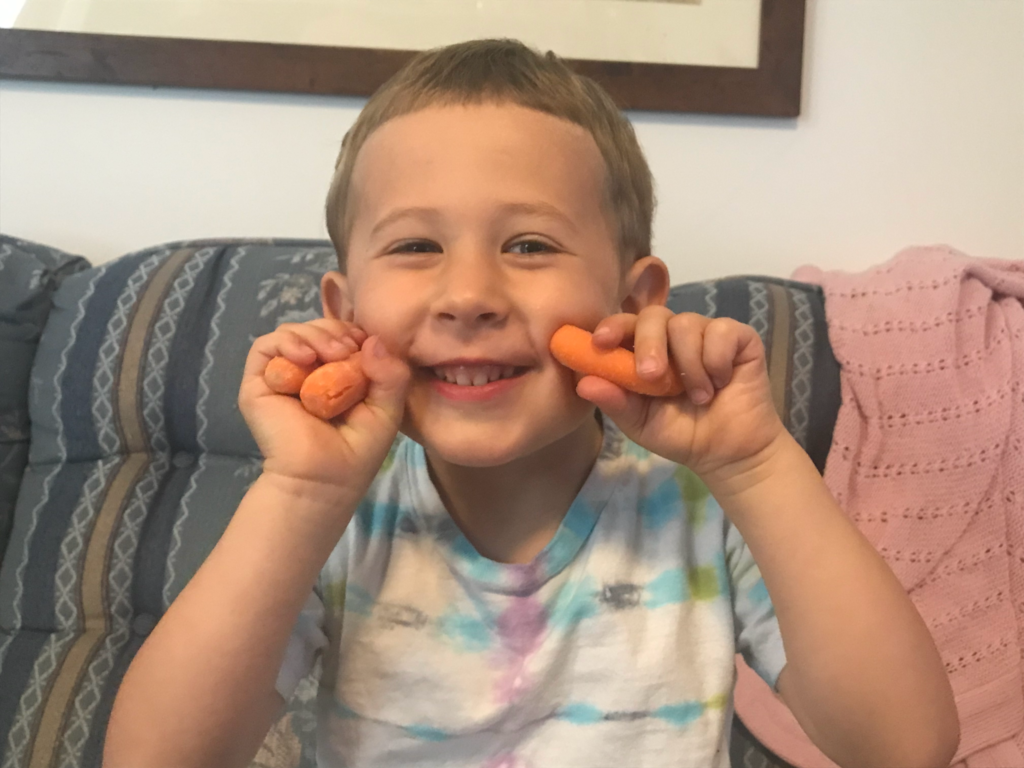
Dr. Day’s son exploring colorful foods through play. He demonstrates and helps build visual supports to model behaviors for peers through positive visual reinforcements.
Understanding Interoception
Interoception is our body’s internal sensing system.
It tells us:
- I’m hungry.
- I’m full.
- My stomach hurts.
- I’m thirsty.
- I’m nervous.
Some children have difficulty recognizing these body signals.
Occupational therapy helps children improve awareness of internal sensations so they better understand hunger, fullness, emotions, and body regulation.
One of my (Dr. Day’s) favorite ways to teach these concepts is through my Zookeepers Self-Regulation Program, which uses engaging visuals and playful activities to help children understand their bodies and understand their body-brain connection.
The Eight Sensory Systems and Feeding
Many parents know about the five senses, but our occupational therapists at Sunny Day also consider:
- Proprioception (body awareness)
- Vestibular processing (movement and balance)
- Interoception (internal body awareness)
These sensory systems influence posture, attention, body awareness, confidence, regulation, and willingness to explore foods.
Sometimes the missing piece isn’t another bite—it’s helping the nervous system feel calm enough to learn.
Occupational Therapy Makes Feeding FUN
One of my favorite parts of therapy is making food playful.
We may:
- Build bridges with strawberries
- Create broccoli forests
- Paint with yogurt
- Make cheese faces
- Build fruit sculptures
- Feed favorite stuffed animals
- Pretend to cook
- Explore foods through touch, smell, and play
Positive experiences strengthen brain pathways that support future eating.
Research continues to demonstrate that meaningful, enjoyable occupations promote learning and neuroplasticity far more effectively than repetitive drills. We integrate client interests into sessions.
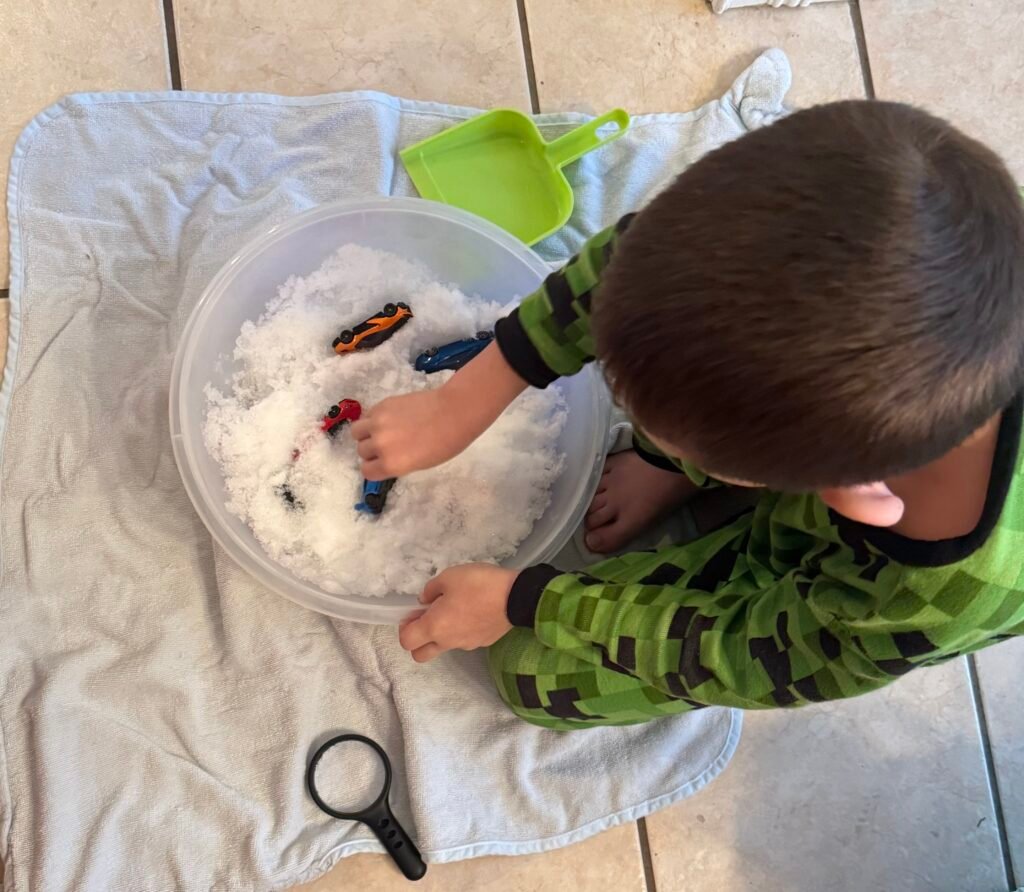
Sensory exploration occurs both in and out of the kitchen to build food vocabulary and encourage flexible and curious minds. We utilize key periods and knowledge of executive function to build your child’s habits and make progress towards therapy goals.
10 Occupational Therapy Feeding Tips for Parents
1. Give your child choices.
Offer choices of foods, utensils, or seating.
2. Celebrate every interaction.
Touching, smelling, licking, or kissing a new food are all important developmental steps.
3. Model eating.
Children learn by watching trusted adults and siblings.
4. Keep mealtimes playful.
Reducing pressure often increases curiosity.
5. Regulate first.
Movement, deep pressure, breathing exercises, or calming sensory activities may prepare the nervous system for eating.
6. Think beyond taste.
Feeding involves all eight sensory systems. Help your child build the vocabulary and be taught about their brain and body. Sunny Day Therapy occupational therapy can help with holistic education.
7. Support posture.
Proper seating improves stability, breathing, chewing, swallowing, and endurance.
8. Make activities meaningful.
Children develop skills best through purposeful occupations rather than isolated exercises.
9. Be patient.
Children often need many positive exposures before accepting a new food.
10. Ask for help early.
Early intervention supports brain development and family success.
Why Families Choose Sunny Day Therapy
Families throughout Central Kentucky appreciate that therapy at Sunny Day Therapy is individualized, evidence-based, and fun.
Our approach combines:
- Pediatric occupational therapy
- Feeding therapy
- Sensory integration
- reflex integration movement patterns
- Executive functioning
- Parent coaching
- Infant development
- Mental health
- Maternal health
- Play-based learning
- Therapy intensives
- integration of Dr. Day’s post-professional doctoral program development
Parents leave sessions with practical tools they can immediately use at home.
Explore all therapy services: https://sunnydaytherapy.net/services/
Does Your Child Need Feeding Therapy?
Your child may benefit from an occupational therapy feeding evaluation if they:
- Eat fewer than 20 foods
- Gag on certain textures
- Refuse entire food groups
- Have sensory sensitivities
- Become anxious during meals
- Have autism, ADHD, or rigid behaviors at mealtime
- Have ARFID
- Have oral motor challenges
- Have developmental delays
- Have stressful family mealtimes
- Only eat foods from specific brands
- Avoid school lunches
The earlier concerns are identified, the sooner therapy can help build confidence and positive lifelong eating habits.
Proudly Serving Lexington and Central Kentucky
Sunny Day Therapy proudly serves families at our Hamburg office from:
- Lexington
- Hamburg
- Chevy Chase
- Beaumont
- Nicholasville
- Georgetown
- Richmond
- Versailles
- Winchester
- Frankfort
- Paris
- Lancaster
- Paint Lick
- Central Kentucky
Therapy occurs at our Hamburg office but we also have some community partner sites at specific private schools in Lexington and Richmond. Whether your child struggles with picky eating, sensory processing, executive functioning, autism, ADHD, anxiety, developmental delays, or feeding concerns, our goal is to help your family enjoy calmer and more successful mealtimes.
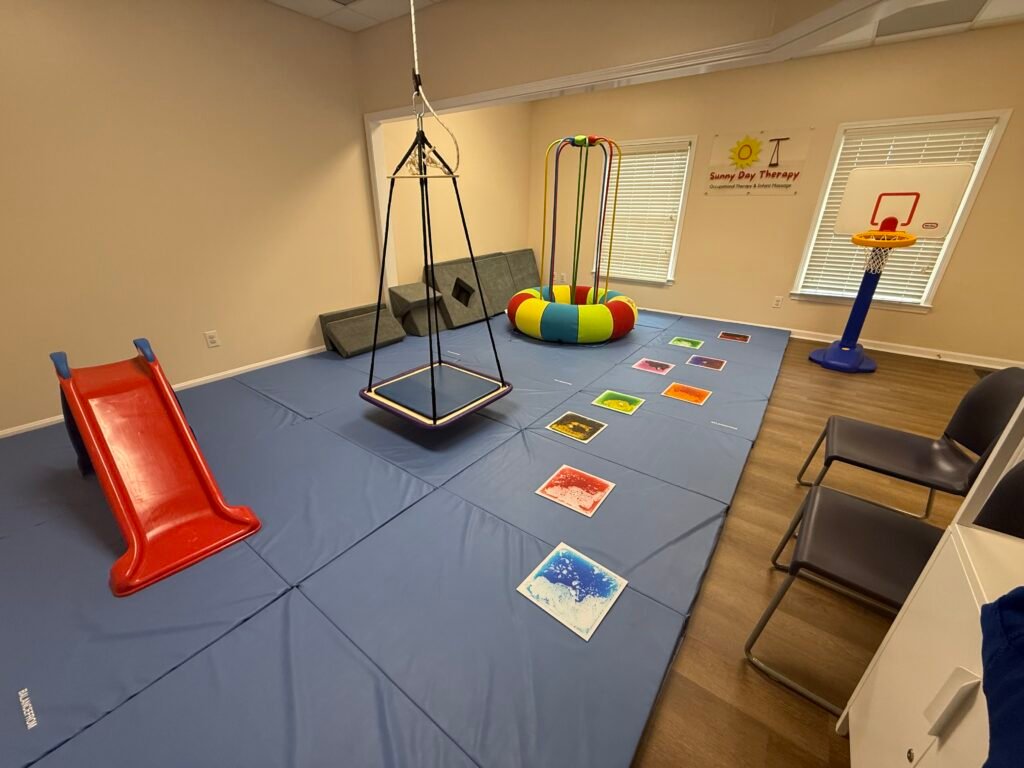
Sunny Day Therapy continues to grow our therapy gym with new swings and equipment to enhance motor strength and executive function.
Frequently Asked Questions
Does occupational therapy help picky eaters?
Yes. Our occupational therapists evaluate sensory processing, motor development, posture, regulation, and environmental factors that may contribute to picky eating. We set up environments and occupations (“valued activites”) to help your child and you shine, do, and thrive by participating in daily activities such as feeding.
Is feeding therapy only for children with autism?
No. Feeding therapy also helps children with ADHD, ARFID, anxiety, sensory processing differences, oral motor challenges, developmental delays, and other feeding concerns. A diagnosis is not necessary to request feeding therapy.
What age should my child begin feeding therapy?
Feeding therapy can begin during infancy and continue through adolescence. Early intervention often leads to the best outcomes. We love working with toddlers, preschoolers, elementary school students, and middle schoolers/teenagers.
Do parents participate?
Absolutely. Parent education and coaching are among the most valuable parts of therapy because children make the greatest progress when strategies continue at home.
Learn More About Feeding and Child Development
I regularly write evidence-based articles to help parents, caregivers, therapists, and educators better understand child development, sensory processing, executive functioning, feeding, and wellness.
➡ External Link: Visit Dr. Day’s educational blog: www.beewellot.com
Schedule a Feeding Evaluation
If mealtimes have become stressful, you don’t have to figure it out alone.
At Sunny Day Therapy, we partner with families to identify the “why” behind feeding challenges and create individualized, evidence-based treatment plans that empower children to become confident, capable eaters.
Whether your child is a selective eater, has sensory food aversions, oral motor concerns, autism, ADHD, ARFID, anxiety, or developmental delays, occupational therapy can provide practical strategies that make everyday life easier.
Call Sunny Day Therapy today at (859) 575-0799 to schedule a feeding evaluation.
➡ Contact Us: https://sunnydaytherapy.net/contact-occupational-therapy-lexington-ky/
Together, we’ll help your child build confidence—one positive bite, one successful experience, and one meaningful occupation (valued activity) at a time. Your feeding therapy journey begins here. We will shine a light on resources, tools, and supports to empower your family.
References
Christiansen, C., & Hammecker, E. (2001). Self-care, productivity, and play in occupational therapy.
American Occupational Therapy Association. Occupational therapy practice resources related to pediatric feeding and eating.
American Academy of Pediatrics. Guidance on healthy eating, child development, and family mealtime practices.